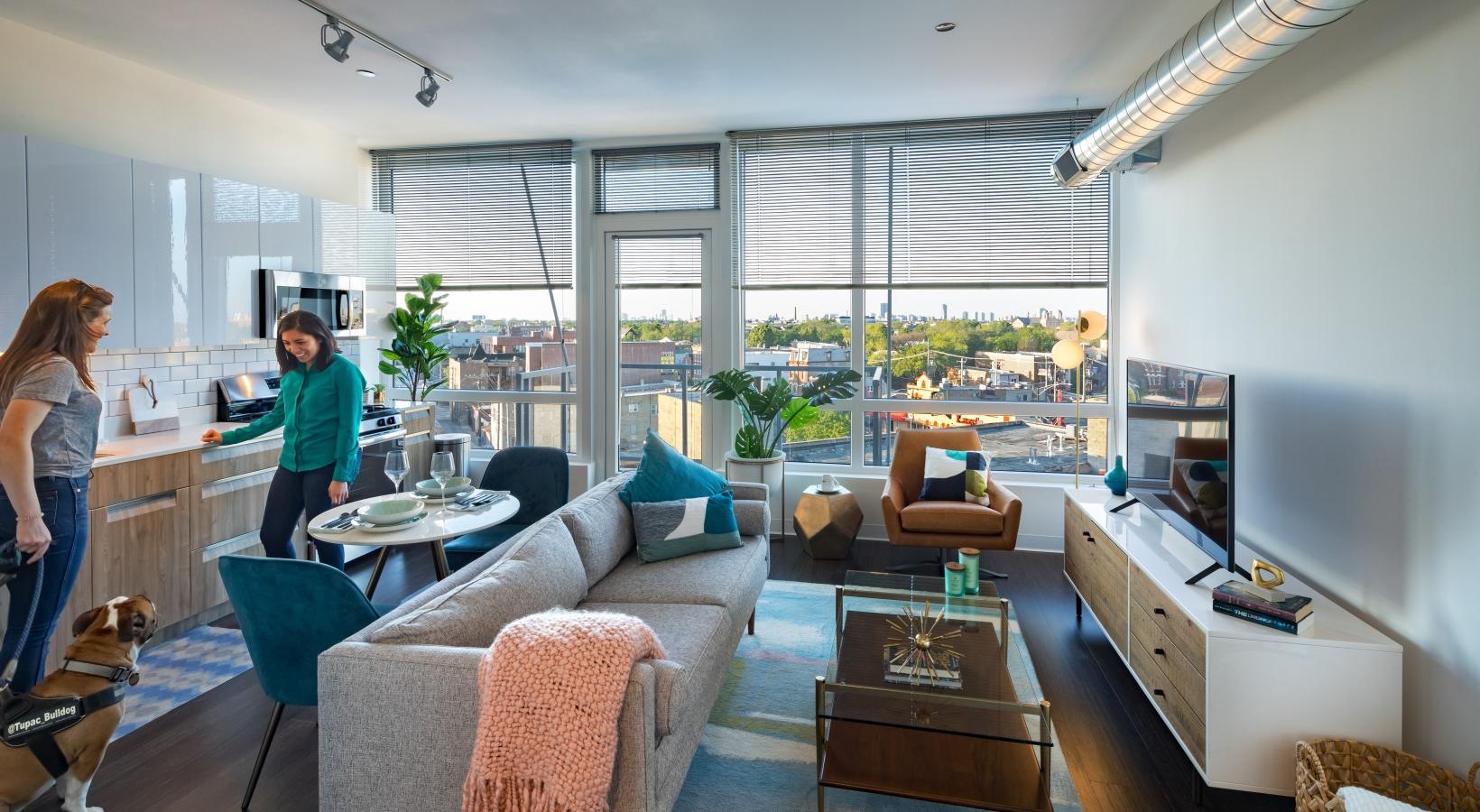
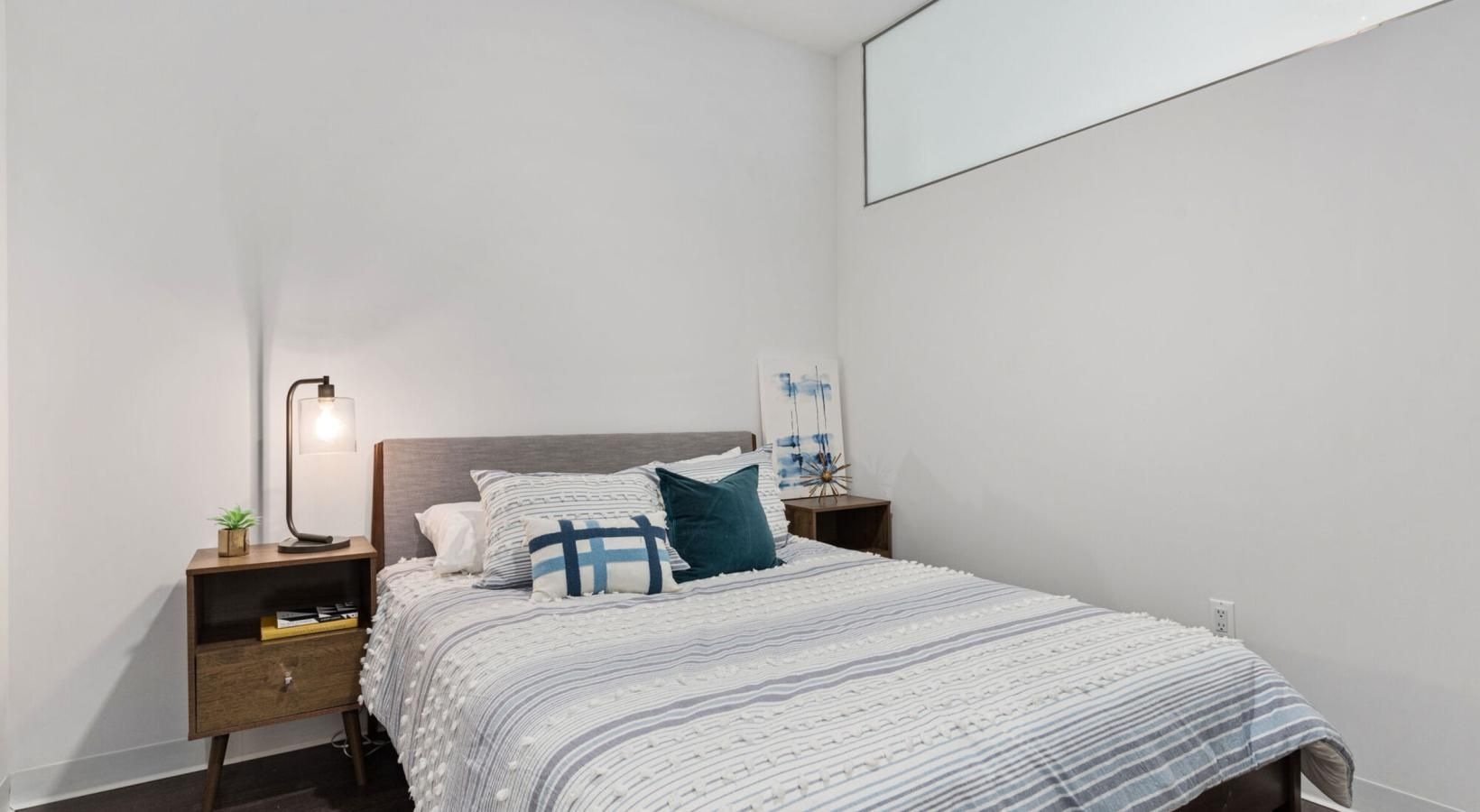
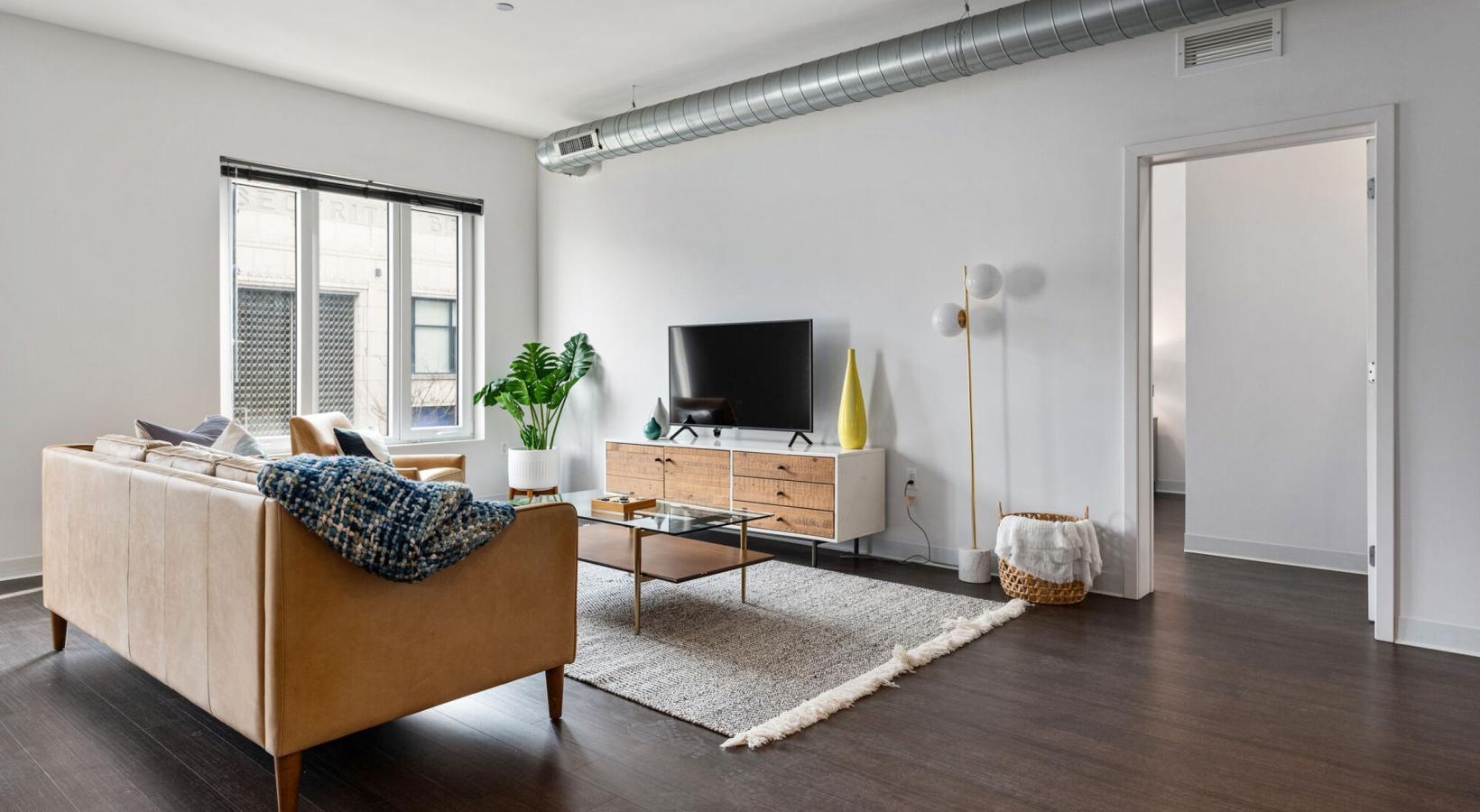
What to Know About Two Bedroom Apartments in 2026
Two bedroom apartments are one of the most searched rental options in the U.S. — and for good reason. They offer more space, flexibility, and value than a one-bedroom, whether you're living with a partner, a roommate, or just want a home office.
Here's a quick overview to match what most renters are looking for:
| What You Want to Know | Quick Answer |
|---|---|
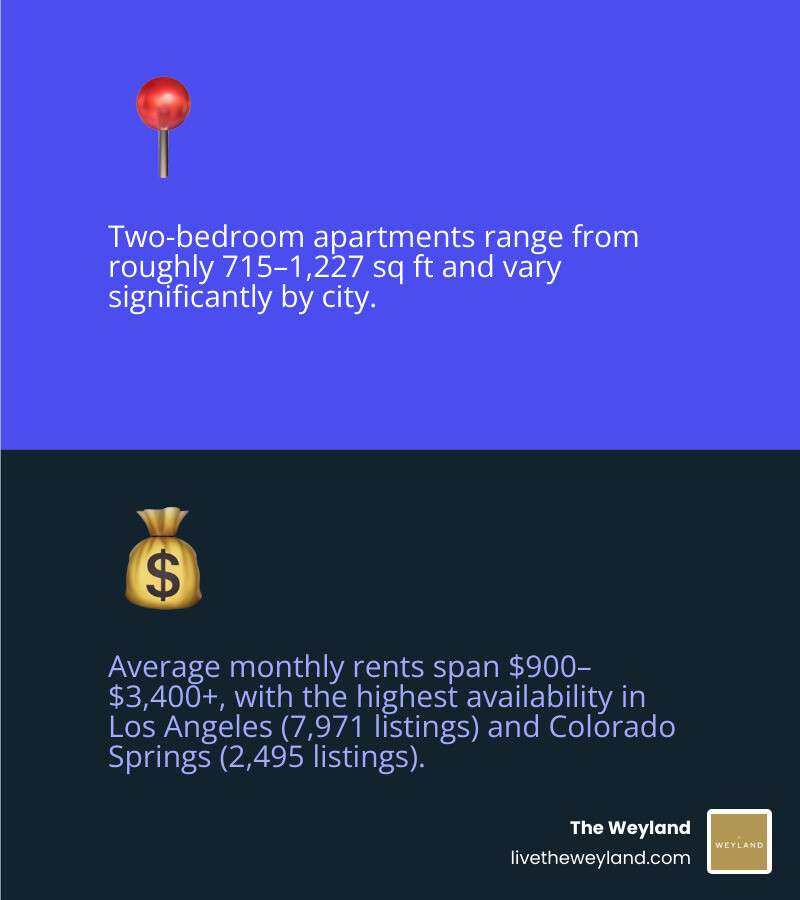
| Average rent range | ~$900–$3,400+/mo depending on city |
| Typical size | 715–1,227 sq ft (varies by market) |
| Common amenities | In-unit laundry, AC, fitness center, parking |
| Lease length options | 3 to 15 months typical |
| Pet-friendly options | Available, but expect extra fees |
| Best cities for availability | Los Angeles (7,971 listings), Colorado Springs (2,495), Queens (485) |
Finding the right two-bedroom apartment means balancing rent, size, location, and amenities — all at once. That's harder than it sounds, especially when markets vary so dramatically from city to city. A two-bedroom in Shoreline, WA looks very different from one in Los Angeles — in price, size, and what's included.
This guide breaks it all down so you can compare confidently and find a place that actually fits your life.
My name is Gunnar Blakeway-Walen, Marketing Manager at FLATS® and recipient of Funnel Forum's 2024 Visionary of the Year award — I've spent years analyzing multifamily rental data across major U.S. markets, helping renters and property teams understand what makes two bedroom apartments the right fit for different lifestyles and budgets. With a background in managing marketing for over 3,500 units across cities like Chicago, San Diego, and Minneapolis, I'll share what the data actually shows — not just what listings want you to believe.
1) Two Bedroom Apartments: Average Rent Ranges in Major U.S. Cities
Even if we focus our day-to-day expertise on Chicago neighborhoods like Wicker Park and Logan Square, it helps to understand the wider U.S. market. Nationally, two bedroom apartments span a very wide range in both monthly rent and availability.
Here is a simple snapshot of the markets referenced in current 2026 rental data:
| City | Known market snapshot |
|---|---|
| Los Angeles | 7,971 two-bedroom listings |
| Washington, DC | Wide neighborhood variation across Congress Heights, Anacostia, Adams Morgan, and Capitol Riverfront |
| Colorado Springs | 2,495 listings; average size 976 sq ft; typical range about $1,127-$2,017 |
| Salt Lake City | 199 two-bedroom rentals |
| Queens, NY | 485 listings |
| Shoreline, WA | 30 listings; examples ranged about $1,399-$3,379 |
The biggest takeaway is not just price. It is supply. A market with thousands of available units gives renters more room to compare layouts, amenities, and lease terms. A tighter market with only a few dozen options can force faster decisions and fewer compromises.
Los Angeles, Washington DC, and Colorado Springs at a glance
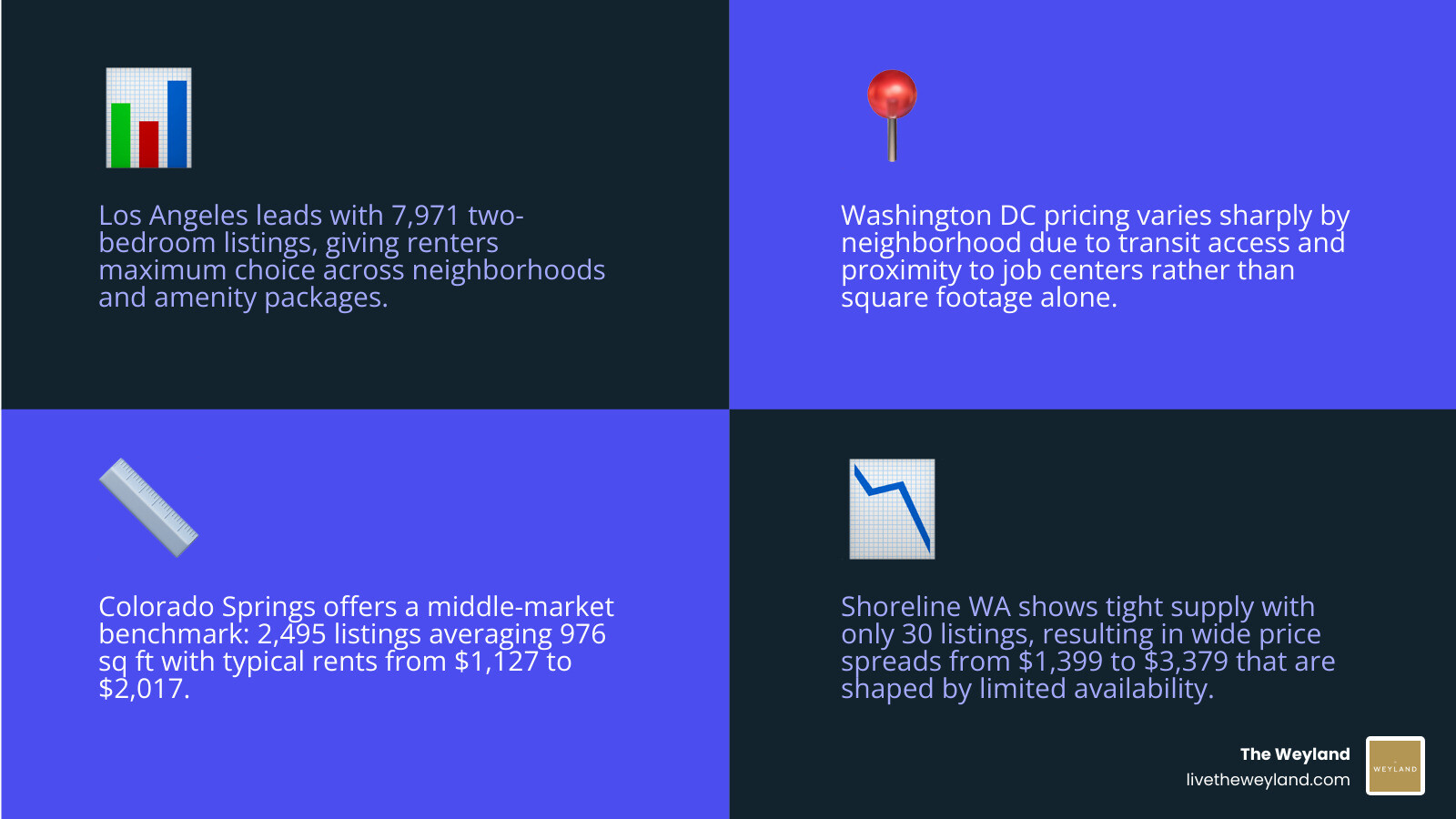
Los Angeles stands out for sheer volume, with 7,971 available two-bedroom apartments. In a market that large, renters usually see the widest mix of neighborhoods, building styles, and amenity packages. Research also shows common filters in Los Angeles include air conditioning, pool access, fitness centers, washer and dryer options, short-term leases, and income-restricted units.
Washington, DC is more neighborhood-driven. Available two-bedroom options span areas like Congress Heights, Anacostia, Adams Morgan, and the Capitol Riverfront. That matters because DC renters often pay as much for access and location as they do for square footage. A two-bedroom near major job centers or transit will usually command a premium over a comparable layout farther out.
Colorado Springs is a useful middle-market benchmark. The current data shows 2,495 two-bedroom rentals, an average size of 976 square feet, and a typical range of roughly $1,127 to $2,017. That gives renters a good reference point for what a more space-forward market can look like compared with denser coastal cities.
Salt Lake City, Queens, and Shoreline market snapshot
Salt Lake City currently shows 199 two-bedroom rentals. That is a much smaller inventory than Los Angeles, but still enough to compare lease length, pet options, square footage, and amenity bundles.
Queens, NY sits at 485 listings, which gives renters more choices than many suburban markets but still far fewer than huge metros. In places like Queens, neighborhood-by-neighborhood differences can be dramatic, and renters often need to weigh transit access very carefully.
Shoreline, WA is a good example of what a lower-supply market looks like. With 30 listed rentals and examples ranging from about $1,399 to $3,379, the spread is wide and selection is limited. In markets like this, availability can shape price just as much as finishes or square footage.
2) What Changes the Price of Two Bedroom Apartments?
If you have ever looked at two listings with the same bedroom count and wondered why one is so much more expensive, you are not alone. Bedroom count is just the starting point. Real pricing is shaped by neighborhood, commute, building type, layout, finish level, and amenities.

How neighborhood and commute shape two bedroom apartments pricing
Location is usually the biggest pricing factor. In urban neighborhoods, renters are often paying for one or more of the following:
- Shorter commute times
- Better transit access
- Walkability
- Dining and nightlife
- Access to parks, schools, or shopping
- Easier access to major job centers
That is especially relevant in Chicago. In Wicker Park and Logan Square, Blue Line access can completely change how useful an apartment feels day to day. A home near the train may save time, reduce transportation costs, and make car-free living more realistic. That convenience often carries real value.
Parking is another hidden cost driver. A two-bedroom with included parking, reserved parking, or easy street parking may be worth more than a cheaper unit that adds stress every evening after work. Local rules matter too. Permit zones, towing policies, and loading restrictions can affect the real-world livability of a listing.
Demand cycles also change pricing. Spring and summer usually bring more listings and more competition. Winter can sometimes offer better leverage for renters, though selection may shrink.
How building type and unit layout affect monthly rent
Not all two-bedroom homes live the same way.
High-rise buildings often command more because they bundle amenities and services together. That might include elevators, package handling, fitness rooms, lounge spaces, or controlled access.
Low-rise buildings can offer better value if your priority is usable square footage rather than a long amenity list. They may feel quieter and more residential too.
Duplexes and smaller buildings often appeal to renters who want more privacy, fewer shared walls, or a house-like layout. In some neighborhoods, that style can be highly desirable.
Layout matters just as much as building type:
- A 2 bed 1 bath may work well for couples, solo renters needing an office, or close roommates
- A 2 bed 2 bath often adds privacy and smoother morning routines
- A den can function as an office, nursery, or guest space
- A formal dining area adds flexibility for remote work or entertaining
Research from sample floor plans shows how much variety exists even within the same category. Some two-bedroom units are under 900 square feet, while others exceed 1,100 square feet. That is a huge lifestyle difference.
Which amenities raise rent the most
The amenities most likely to affect rent are usually the ones that save time, reduce hassle, or feel luxurious every day.
Common premium drivers include:
- In-unit washer and dryer
- Air conditioning or central heat and AC
- Fitness center
- Pool
- Private balcony or patio
- Covered or assigned parking
- Elevator access
- Stainless steel appliances
- Updated kitchens and countertops
- Pet-friendly features
In-unit laundry is one of the biggest value boosters because people really, really do not enjoy carrying baskets down three flights of stairs. Shared laundry may still be workable, but private laundry usually commands a premium.
Parking is another major driver in dense neighborhoods. If a building includes secure or assigned parking, renters often see that reflected in monthly cost.
Pet amenities can also nudge pricing upward. Even when a building welcomes pets, renters should expect extra costs through fees, deposits, or monthly pet rent.
3) The Most Common Features Included in Listings
When renters compare two bedroom apartments, they usually focus on price first. Fair enough. But the feature list is what determines whether the apartment actually supports your routine.

Inside the unit: what renters usually get
Across current two-bedroom listings and floor plans, the most common in-unit features include:
- Dishwasher
- Refrigerator
- Stove or range
- Garbage disposal
- Hardwood or hard-surface flooring
- Granite or stone-style counters
- Stainless steel appliances
- Central heat and AC
- Washer and dryer connections or in-unit laundry
- Patio or balcony
- Storage closets
Some Chicago-area listings also highlight exposed brick, front porches, rear balconies, and different laundry setups depending on the unit. That last point matters. One listing may say "laundry available," but that could mean in-unit, shared basement, or connections only. Those are not the same thing.
Utilities also vary more than renters expect. Some listings include certain services while leaving others to the resident. Always check the full breakdown before comparing one apartment to another.
Beyond the unit: community amenities and services
Common community-level features include:
- Fitness center
- Pool
- Clubhouse or resident lounge
- Smoke-free policies
- Assigned parking
- Elevators
- Package areas
- Controlled access
- 24-hour emergency maintenance
- Outdoor spaces
These shared amenities can be great if you actually use them. A fitness center may save you a gym membership. Package lockers may save missed deliveries. Emergency maintenance may save your sanity at 10:30 p.m. on a Sunday.
But here is the practical rule: do not overpay for amenities you will not use. A long list sounds impressive, but a renter who never swims, never works out at home, and rarely receives packages may be better served by a simpler building in a better location.
Real floor plan examples to benchmark value
A smart way to compare listings is to look at real floor plan pages and note the variables that repeat: square footage, bathroom count, lease length, deposits, pet rules, and included features.
For example, these two-bedroom layouts show just how much variety exists:
These examples highlight a few useful lessons:
Size can vary dramatically
- One two-bedroom may be compact and highly efficient
- Another may include a more expansive footprint and extra dining or living space
Lease terms change the math
- Research shows many two-bedroom listings offer terms from 3 to 15 months
- Longer commitments often come with better monthly pricing
Pet policies are rarely one-size-fits-all
- Some buildings allow cats and dogs with limits
- Others set weight caps, breed restrictions, pet maximums, or monthly pet rent
- Some buildings allow no pets at all
Move-in specials are common
- Discounts, fee waivers, and limited-time concessions show up often
- They can help upfront cost, but renters should still compare the long-term value
If you are specifically apartment hunting in Chicago, our 2 Bedroom Apartments Chicago Ultimate Guide can help narrow the field faster.
4) Pet Policies, Lease Terms, and Specialty Housing Options
Pet rules and lease structure can make or break a listing. A beautiful two-bedroom is not a great match if your dog is over the building's weight limit or if the lease term does not align with your timeline.
Pet-friendly two bedroom apartments: what to compare before applying
Pet-friendly does not always mean pet-simple.
Current rental research shows common pet policy variables include:
- Cats allowed, dogs allowed, or both
- One-time pet fees
- Refundable or nonrefundable pet deposits
- Monthly pet rent
- Weight limits
- Breed restrictions
- Maximum number of pets
- No-pet policies in certain buildings
In sample two-bedroom floor plans, we saw everything from two-pet maximums to three-pet maximums, plus weight limits and per-pet monthly charges. We also saw at least one no-pet example.
Before you apply, compare:
- Total upfront pet cost
- Ongoing monthly pet cost
- Number of pets allowed
- Any breed or size rules
- Whether the building has practical pet features like nearby parks, easy outdoor access, or durable flooring
For more guidance, see our Pet Friendly Two Bedroom resource.
Short-term vs. long-term leases
Lease flexibility is another major market variable. Research across current listings shows that many two-bedroom apartments offer terms ranging from 3 to 15 months, with 6 to 15 months also being common.
In general:
- Short-term leases offer flexibility
- Long-term leases usually offer better monthly value
- Furnished or relocation-ready units may carry a premium
- Renewal timing can affect future pricing
A short-term lease can be helpful if you are relocating, testing a neighborhood, or between life stages. A longer lease can make more sense if you want stability and better predictable costs.
Always ask whether pricing varies by term length. In many cases, it does.
Specialty two-bedroom rentals for different renter profiles
Two-bedroom layouts work for more than one type of renter. Common use cases include:
- Roommates who want to split housing costs
- Couples needing a guest room or office
- Small families needing separate sleeping space
- Students sharing near campus
- Corporate relocations needing extra flexibility
- Seniors downsizing from a house but keeping room for guests
- Military households dealing with PCS timing
- Renters with accessibility needs who need elevator access or specific floor plans
The best fit depends on how the second bedroom will actually be used. A roommate setup may prioritize equal bedroom sizes and two bathrooms. A work-from-home renter may prefer a smaller second bedroom if the living area is larger. A family may care more about storage, stroller access, and proximity to transit or schools.
5) How to Compare Listings Efficiently and Avoid Bad Fits
Apartment hunting gets easier when you compare systematically instead of emotionally. Yes, the exposed brick is charming. No, charm will not make up for an impossible commute.
Best filters to use on online rental platforms
Online listing tools are useful because they let renters sort quickly by the factors that matter most. The best filters to use first are:
- Budget range
- Neighborhood
- Map search area
- Pet-friendly options
- Lease length
- Square footage
- Parking
- Laundry type
- Transit access
- Amenity must-haves
- Availability date
Price alerts can also help if you are watching a specific neighborhood. Map search is especially useful in Chicago because being "close enough" to transit can mean very different things in practice.
We suggest starting with non-negotiables first, then narrowing by nice-to-haves. That keeps you from wasting time on listings that look great in photos but do not fit your actual life.
Questions to ask before scheduling a tour
Before you commit time to an in-person visit, ask a few practical questions:
- What is the earliest move-in date?
- What is included in the total monthly cost?
- Which utilities are resident-paid?
- Is parking available, and what are the rules?
- What are the pet fees and restrictions?
- Are amenities included or extra?
- What laundry setup does this exact unit have?
- When does the current lease expire, if applicable?
- How are maintenance requests handled?
- Are there any current move-in specials?
A few short questions can save a lot of time. They can also reveal whether a listing is straightforward and professionally managed.
Chicago example: comparing neighborhood lifestyle and layout needs
In Chicago, neighborhood fit matters just as much as floor plan fit.
Wicker Park tends to appeal to renters who want walkability, dining, shopping, nightlife, and strong transit access. Logan Square also offers great character and connectivity, with a slightly different pace and feel depending on the block.
For renters comparing these neighborhoods, useful questions include:
- Do we want to be steps from the Blue Line?
- Do we need parking, or are we planning to live car-light?
- Is the second bedroom for a roommate, guests, or work?
- Do we want a boutique building feel or a larger amenity package?
- How important are restaurants, parks, and local retail within walking distance?
If you want to go deeper, start with our neighborhood guides:
For many renters, the sweet spot is a well-designed two-bedroom in a highly connected neighborhood. That is why we place so much emphasis on location, layout efficiency, and day-to-day convenience.
Frequently Asked Questions About Two Bedroom Apartments
Are two bedroom apartments cheaper than renting two one-bedroom units?
Usually, yes on a per-person basis, though not always in every neighborhood.
When two renters split a two-bedroom, they often share:
- Rent
- Utilities
- Internet
- Amenity value
- Household items
That shared-cost structure can make a two-bedroom more efficient than renting two separate one-bedrooms. The tradeoff, of course, is shared space and less privacy.
For solo renters, a two-bedroom may still make sense if the second room replaces the cost of coworking space, guest accommodations, or future moving costs.
Is a 2 bed 2 bath worth the extra rent?
Often, yes, especially for roommates.
A 2 bed 2 bath layout offers:
- Better privacy
- Less bathroom scheduling conflict
- More balanced roommate arrangements
- Better flexibility for guests
- Stronger long-term usability
For couples, the second bathroom can function as a guest bath or simply make daily life easier. For roommates, it can be the difference between harmony and passive-aggressive sticky notes.
If you are exploring this layout in Chicago, our 2 Bed 2 Bath Chicago guide is a good next step.
What is the average size of a two-bedroom apartment?
There is no single national standard, but the research shows a broad spread.
Current examples range from about 715 square feet on the smaller end to 1,227 square feet on the larger end. Colorado Springs data places the average two-bedroom at 976 square feet, which is a helpful midpoint benchmark.
In dense urban neighborhoods, efficient layouts matter more than raw size. A smart two-bedroom with good storage, natural light, and a usable living area can feel much better than a larger but awkward floor plan.
Conclusion
The best two bedroom apartments are not just bigger one-bedrooms. They are flexible homes that can support roommates, remote work, guests, growing households, and everyday city living without making life feel cramped.
For renters focused on Chicago, especially Wicker Park and Logan Square, the winning formula is usually some mix of:
- Efficient layout
- Upscale finishes
- Useful amenities
- Strong transit access
- Neighborhood fit
At The Weyland, that is exactly where we focus. Our luxury Chicago apartments pair upscale features and boutique amenities with a prime Wicker Park location near the Western Blue Line CTA, making it easier to enjoy the city and simplify your commute.
If you are ready to keep comparing options, explore:
Because finding the right two-bedroom should feel exciting, not like a part-time job with worse snacks.