Why Searching for Apartments for Rent Chicago Is Easier Than You Think
Apartments for rent chicago are more accessible than ever, with over 21,000 rental listings available across 77 diverse neighborhoods. Whether you're looking for a modern high-rise in the Loop, a vintage walk-up in Wicker Park, or a converted loft in the West Loop, Chicago offers rental options for every lifestyle and budget.
Quick Guide to Finding Your Chicago Apartment:
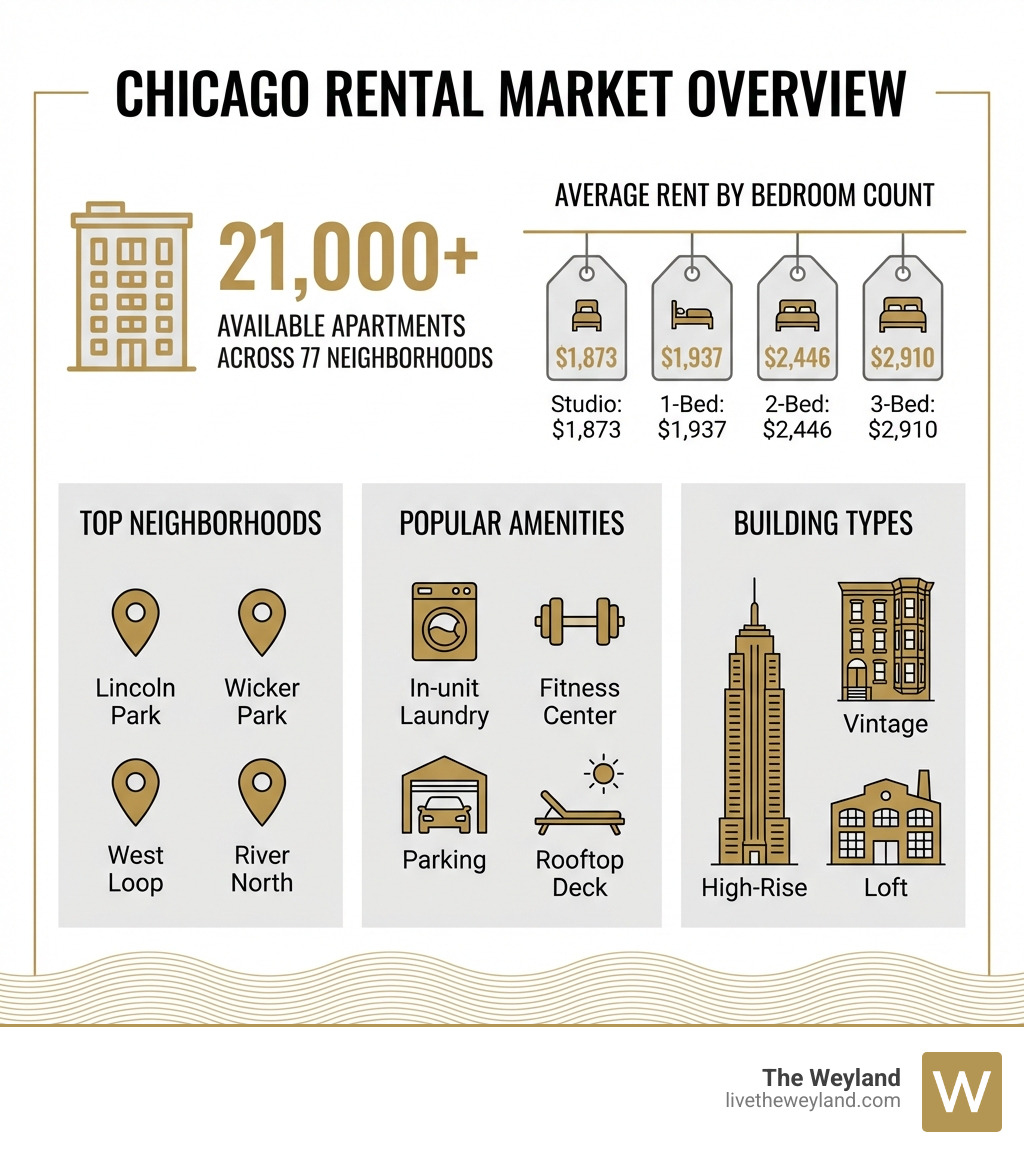
- Set Your Budget - Average rent ranges from $1,873 to $2,465 depending on size and location
- Choose Your Neighborhood - Popular areas include Lincoln Park, Wicker Park, Logan Square, River North, and the West Loop
- Filter by Must-Haves - Use online platforms to search for pet-friendly units, in-unit laundry, parking, or specific amenities
- Know Your Building Types - Options include high-rises, vintage walk-ups, and industrial lofts
- Understand Your Rights - Chicago's Residential Landlord and Tenant Ordinance protects renters
Chicago is America's third-largest city, sitting right on Lake Michigan. It's known for its incredible architecture, world-class dining scene, and vibrant neighborhoods. The city's extensive public transportation system—including the CTA 'L' train and bus network—makes it easy to get around without a car.
The rental market here is competitive but manageable. You'll find everything from budget-friendly studios to luxury penthouses. The key is knowing what you want and where to look.
Most renters start their search online using major listing platforms. These sites let you filter by price, bedrooms, amenities, and even commute time. Many apartments now offer virtual tours and 3D walkthroughs, so you can preview units from anywhere.
Our team has extensive experience managing apartments for rent chicago, and we've developed data-driven strategies that help thousands of renters find their ideal homes. We understand the market inside and out, and we're here to make your search as smooth as possible.
The Cost of Renting: Chicago Apartment Rent Averages and Trends
Navigating the rental market in a city as dynamic as Chicago can feel like trying to catch a greased pig at a county fair – exciting, but a little slippery! One of the first things on everyone's mind is, of course, the price tag. What's the damage going to be? Well, we're here to shed some light on the average rent for apartments for rent chicago and how it fluctuates across the city.
The average rent for an apartment in Chicago typically hovers around $2,100 to $2,500. You might see figures ranging from $2,177 to $2,471, depending on the source and the specific data points they're capturing. This broad range accounts for the incredible diversity of rental options available, from cozy studios to expansive multi-bedroom units, and the vast differences between neighborhoods.
When we look at market trends, Chicago's rental scene is constantly evolving. Like many major cities, we often see a seasonal ebb and flow. The peak rental season usually runs from May to September, when college students are looking for new digs, recent graduates are starting jobs, and families are relocating before the school year begins. During these months, demand is higher, and so are prices. Conversely, the "off-season" from October to February tends to offer more competitive pricing and potentially more negotiating power for renters.
New construction also plays a significant role. Chicago has seen a boom in luxury high-rise developments in recent years, particularly in areas like the Loop, River North, and West Loop. These brand-new buildings often come with state-of-the-art amenities and higher price points, which can pull up the overall average rent. However, our city also boasts a wealth of charming vintage buildings and converted lofts, offering different price points and unique living experiences.
To give you a clearer picture, here’s a general overview of average rent prices based on apartment size across Chicago:
| Apartment Size | Average Rent (Monthly) | Average Square Footage |
|---|---|---|
| Studio | $1,873 | 660 sq ft |
| 1-Bedroom | $1,937 | 660 sq ft |
| 2-Bedroom | $2,446 | 922 sq ft |
| 3-Bedroom | $2,910 | 1,177 sq ft |
| 4-Bedroom | $3,644 | 1,453 sq ft |
These are averages, and your actual rent will depend on the specific neighborhood, building type, and amenities you're looking for. But don't fret! With thousands of rentals available, we're confident you'll find a place that fits your budget and lifestyle.
Chicago's Most Popular Neighborhoods for Renters
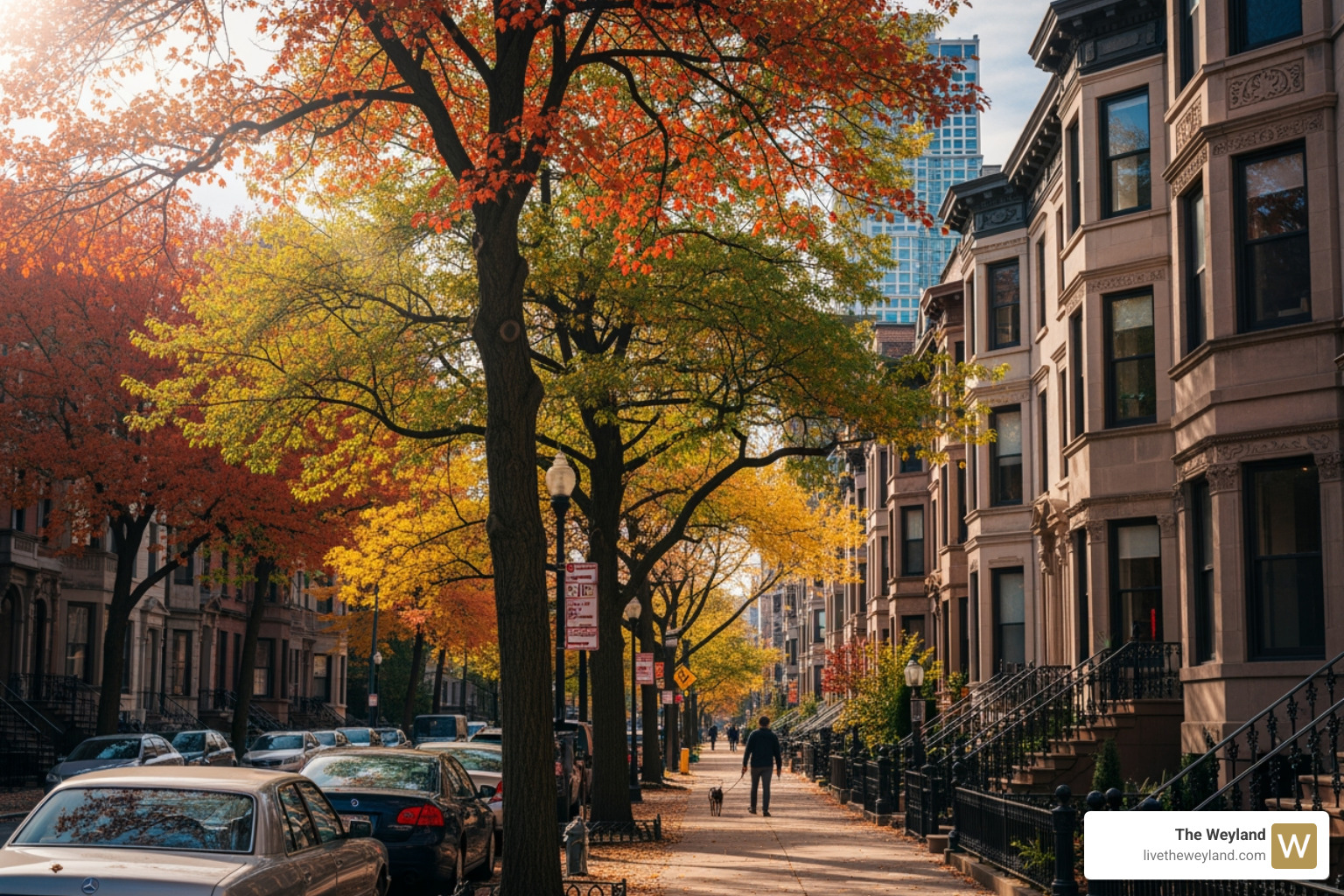
Chicago is a city of neighborhoods, each with its own unique flavor, history, and charm. We often joke that you can travel the world without ever leaving city limits, simply by hopping from one neighborhood to the next. When searching for apartments for rent chicago, understanding these distinct personalities is key to finding your perfect fit. Our neighborhoods boast incredible diversity, from busy urban centers to tree-lined residential streets, offering a variety of walkability scores and excellent access to public transportation, especially the iconic CTA 'L' Train system. If you're curious about how pedestrian-friendly a particular area is, you can always check out resources like how walk-friendly a neighborhood is.
Let's explore some of the most popular neighborhoods that draw renters to our incredible city:
The Loop & South Loop
These areas represent the quintessential downtown Chicago living experience. The Loop is the city's central business district, a vibrant hub of towering skyscrapers, world-class dining, and cultural institutions. Living here means being steps away from attractions like Millennium Park, the Art Institute of Chicago, and the Chicago Riverwalk. It’s a commuter's dream, with unparalleled access to every CTA 'L' line and Metra train, making it easy to get anywhere in the city and beyond.
Just south, the South Loop offers a slightly more residential feel while still maintaining a strong urban pulse. It’s known for its proximity to museums like the Field Museum and Shedd Aquarium, as well as the expansive green spaces of Grant Park. Here, you'll primarily find modern high-rise apartments, many boasting stunning views of Lake Michigan and the city skyline. It's a fantastic choice for those who crave architectural landmarks, cultural immersion, and a truly commuter-friendly lifestyle.
Lincoln Park & Lakeview
Moving north, Lincoln Park and Lakeview are beloved for their beautiful lakefront access and abundant green spaces. Lincoln Park, as its name suggests, is home to the sprawling Lincoln Park Zoo, numerous parks, and picturesque walking paths along Lake Michigan. It's an affluent neighborhood with diverse rental options, from charming vintage walk-ups to neat modern buildings. This area tends to attract families and young professionals who appreciate a more serene, yet still vibrant, atmosphere.
Adjacent to Lincoln Park, Lakeview is often described as a "greatest hits album" of Chicago neighborhoods. It offers a lively mix of entertainment, dining, and shopping, and is famously home to Wrigleyville, the energetic area surrounding Wrigley Field. You'll find a wide variety of apartment styles here, from classic brick two-flats to newer developments. Both Lincoln Park and Lakeview offer a fantastic blend of urban amenities with a welcoming, community-oriented vibe, making them consistently popular choices for renters.
Wicker Park & Logan Square
Now, let's talk about our neck of the woods – Wicker Park and Logan Square. These neighborhoods are a vibrant, artistic hub, renowned for their boutique shopping, trendy restaurants, and busy nightlife. We've watched these areas evolve into some of Chicago's most sought-after places to live, blending historic charm with a cutting-edge cultural scene.
Wicker Park, with its tree-lined streets and stunning Victorian architecture, offers a diverse range of housing, from charming vintage walk-ups to newer luxury buildings. It's a place where you can find unique shops, independent bookstores, and a fantastic array of cafes and bars.
Logan Square, just to the west, maintains a slightly more bohemian and diverse character. Known for its wide, tree-lined boulevards and historic architecture, it’s a foodie paradise with an incredible selection of innovative restaurants and cozy cocktail bars. Both neighborhoods are seamlessly connected to the rest of the city via the Western Blue Line CTA, offering unbeatable access to downtown and other popular destinations. You'll find a mix of housing types here, including beautifully converted lofts in former industrial spaces and classic greystone buildings, alongside contemporary luxury apartments. It’s the perfect blend of urban energy and community warmth, making it an ideal place to find your next home.
River North & West Loop
For those who love a vibrant, upscale urban experience, River North and the West Loop are hard to beat. River North is celebrated for its art galleries, high-end restaurants, and busy nightlife. It's a sophisticated area that attracts residents who appreciate fine dining and a lively social scene. Here, you'll find a plethora of luxury high-rise apartments, many offering premium amenities and breathtaking city views.
The West Loop, once a busy industrial area, has transformed into Chicago's culinary capital, affectionately known as "Restaurant Row." It's a haven for foodies and offers a dynamic mix of converted warehouse lofts and sleek new luxury developments. The neighborhood boasts a vibrant energy, with trendy boutiques, popular bars, and easy access to downtown. Both River North and the West Loop are excellent choices for renters seeking a high-energy, amenity-rich urban lifestyle.
How to Find Apartments for Rent in Chicago: A Renter's Checklist
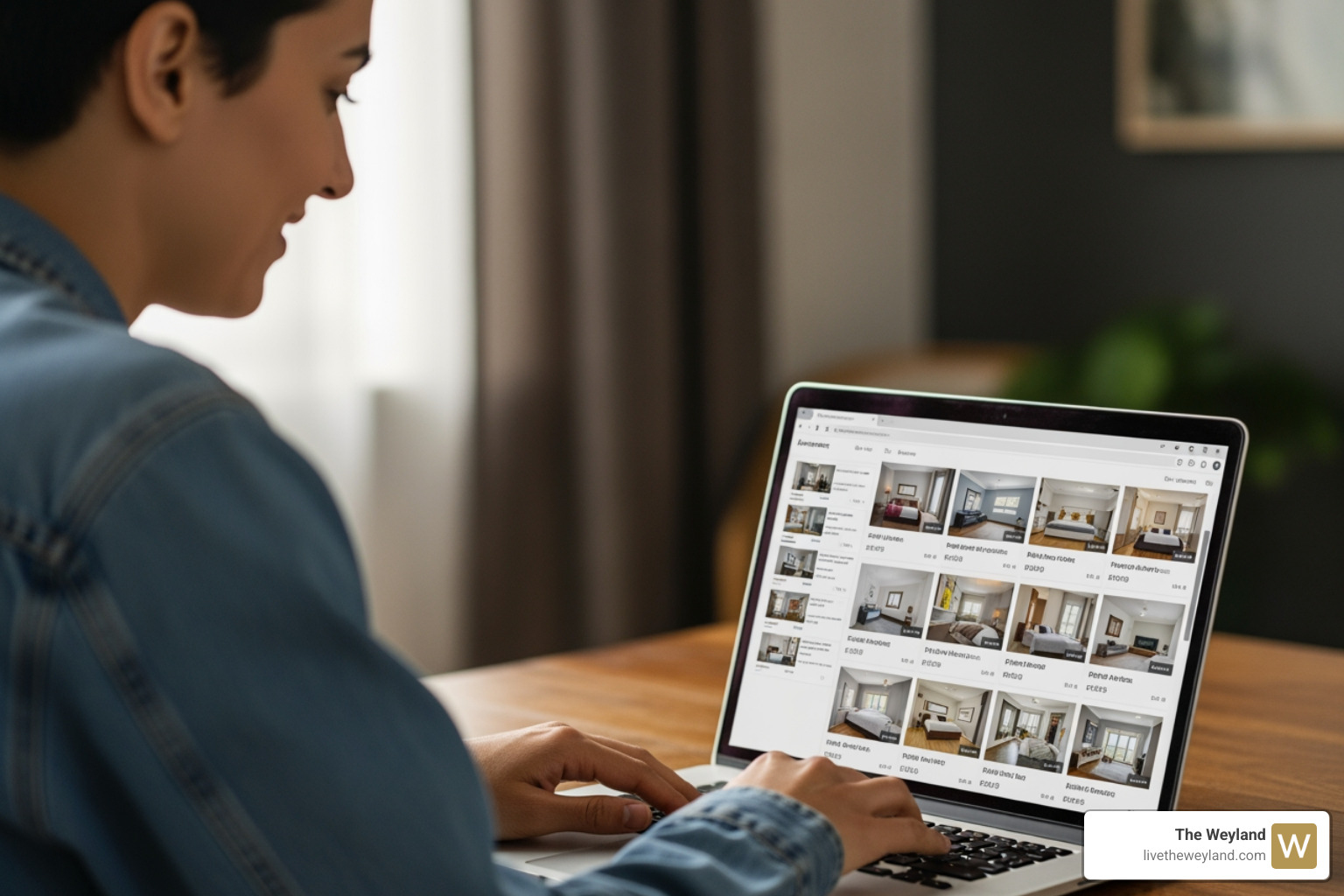
Finding the perfect apartments for rent chicago can feel like a quest, but with a clear strategy, it becomes an exciting adventure. We've helped countless renters steer this journey, and we've distilled the process into a simple, actionable checklist to guide you.
Step 1: Define Your Must-Haves (Budget, Commute, and Lifestyle)
Before you even start browsing, it's crucial to get crystal clear on what you need and want. This saves time and prevents disappointment.
First, let's talk budget. A common rule of thumb is the 30% rule: your monthly rent should not exceed 30% of your gross monthly income. This helps ensure you have enough left over for utilities, groceries, transportation, and, let's be honest, those irresistible Chicago deep-dish pizzas. Remember to factor in potential utility costs like electricity, gas, internet, and water, as these can add a significant amount to your monthly expenses.
Next, consider your commute. Chicago's public transportation is excellent, but even the best systems can take time. Use online tools to calculate commute times to work, school, or frequent destinations. How long are you willing to spend on the 'L' each morning? Or perhaps you prefer to walk or bike? Your ideal commute will heavily influence your neighborhood choice.
Finally, think about your lifestyle. Are you a night owl who thrives on busy nightlife, or do you prefer quiet evenings at home? Do you need easy access to parks and green spaces for your furry friend, or are you looking for a vibrant dining scene? If you have children, school districts will be a major consideration. Luckily, Chicago boasts many highly-rated schools, and you can find detailed information on school ratings to help inform your decision. Defining these must-haves upfront creates a clear roadmap for your search.
Step 2: Use Search Filters to Find Pet-Friendly Apartments or In-Unit Laundry
Once your must-haves are defined, it's time to hit the online rental platforms. These websites are invaluable resources, allowing you to filter thousands of apartments for rent chicago listings based on your specific criteria, making your search incredibly efficient.
One of the most popular filters we see is for pet-friendly policies. Many Chicagoans share their homes with beloved cats and dogs, so finding a place that welcomes them is crucial. Be sure to check for any breed restrictions or pet fees. Another highly sought-after amenity is in-unit laundry. The days of lugging baskets to a communal laundry room are (thankfully!) becoming a thing of the past for many. Other essential filters include parking availability, especially if you own a car, and specific amenities like a fitness center or a rooftop deck.
Don't forget to use keyword searches for any unique features you desire, such as "hardwood floors" or "balcony." Most platforms also allow you to save your searches and set up email alerts for new listings that match your criteria. This ensures you're always among the first to know when your dream apartment hits the market.
Step 3: Know the Different Types of Apartment Homes in Chicago
Chicago's architectural landscape is rich and varied, offering a wide array of apartment styles beyond the standard "apartment" box. Understanding these different types can broaden your search and help you find unique living spaces.
Traditional apartments for rent chicago can be found in various buildings, from classic brick walk-ups to modern mid-rises. These typically offer standard layouts and features.
Then there are lofts, which are a quintessential Chicago experience, especially in neighborhoods with an industrial past like the West Loop or parts of Wicker Park and Logan Square. Lofts often feature high ceilings, exposed brick, large windows, and open-concept layouts, exuding an edgy, artistic vibe.
For those seeking something truly unique, garden units offer ground-level living, often with private outdoor space or direct access to a shared yard. They can be a hidden gem for those who appreciate a bit of greenery in the city. Another charming option is a coach house, a separate, smaller dwelling typically located at the rear of a property, often sharing a lot with a larger main house. These offer a sense of privacy and a quaint, residential feel rarely found in larger apartment buildings.
By familiarizing yourself with these different apartment home types, you can explore options that might not have initially been on your radar, potentially uncovering a truly special place to call home.
Building Types, Amenities, and Your Legal Rights as a Renter
When we talk about apartments for rent chicago, we're not just discussing four walls and a roof. We're talking about a lifestyle, a community, and a place where you can truly thrive. Understanding the different building types, the amenities that improve your daily life, and your legal rights as a renter are crucial steps in finding your ideal home and ensuring a positive living experience.
Comparing Building Styles: High-Rise, Vintage, and Loft Apartments
Chicago's skyline is a testament to its architectural prowess, and this diversity extends to our residential buildings. Each style offers a distinct living experience:
- High-Rise Apartments: These towering structures, often found in downtown areas like the Loop, River North, or along the lakefront, offer breathtaking views, modern designs, and a suite of on-site amenities. Pros include security (doormen, controlled access), convenience (fitness centers, business lounges often within the building), and often stunning vistas. Cons can include higher rent, less personalized living, and sometimes a more transient community feel.
- Vintage Buildings: Think charming brick or greystone buildings, often walk-ups, found in neighborhoods like Lincoln Park, Lakeview, or Wicker Park. These boast character, unique architectural details, and a sense of history. Pros include classic charm, often larger floor plans, and a more intimate community. Cons might involve older infrastructure (though many are beautifully renovated), fewer modern amenities, and sometimes less soundproofing.
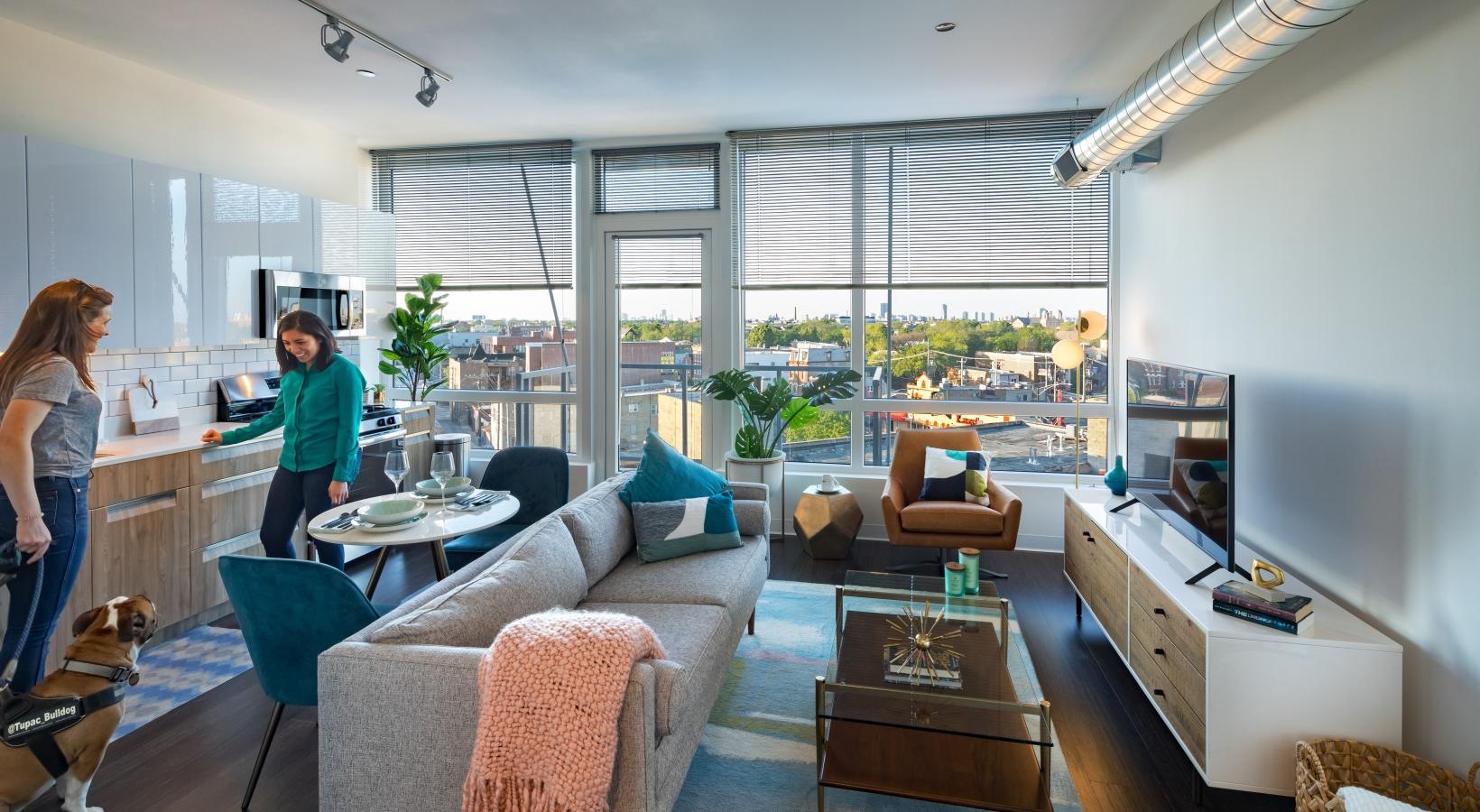
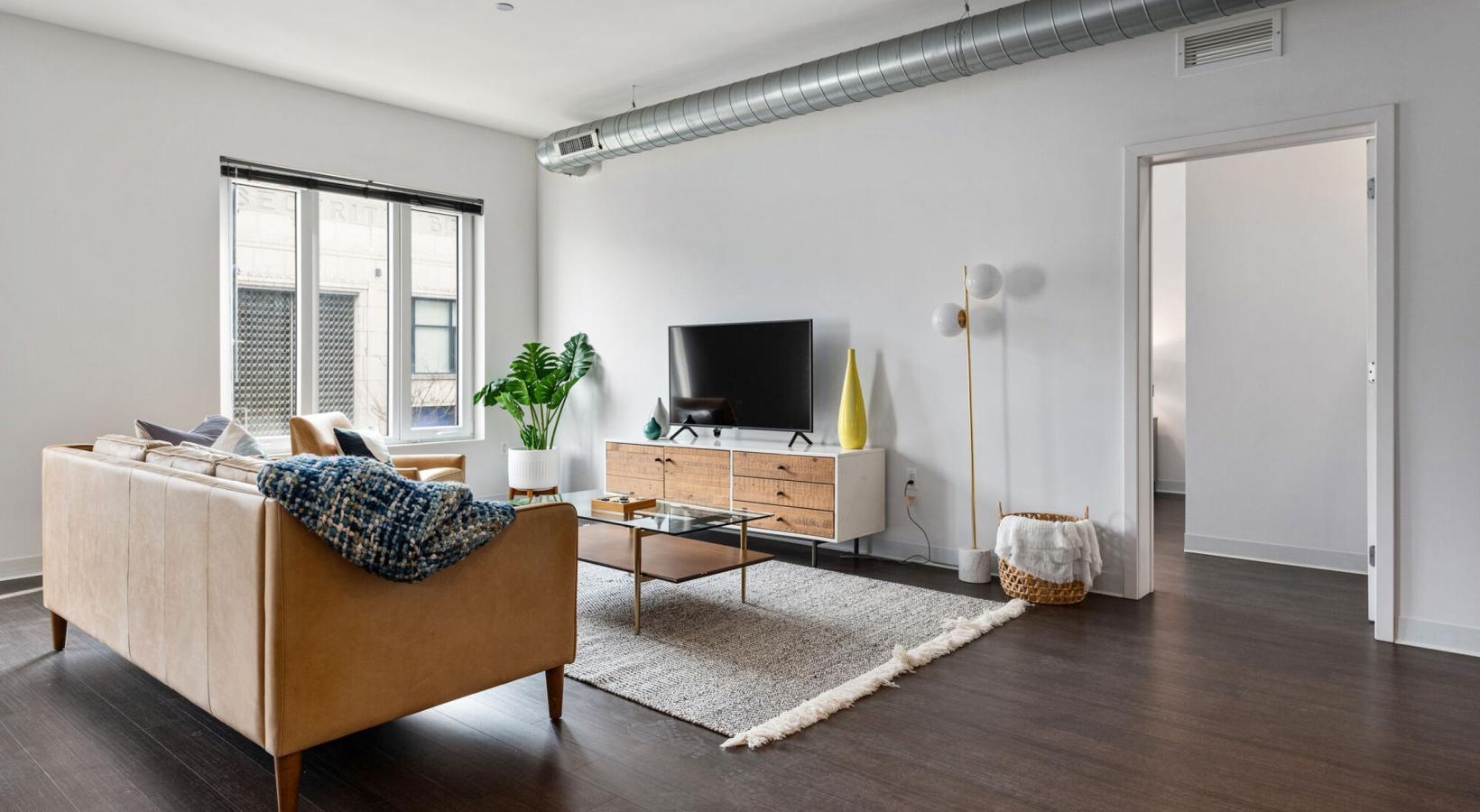
- Loft Apartments: Popular in once-industrial areas like the West Loop, and increasingly in artistic hubs like Wicker Park and Logan Square, lofts are characterized by high ceilings, exposed brick or ductwork, oversized windows, and open-concept layouts. Pros include a spacious, airy feel, unique aesthetic, and plenty of natural light. Cons can be open floor plans that lack privacy, and sometimes less efficient heating/cooling due to high ceilings.
Choosing a style depends entirely on your personal preference and lifestyle. Do you crave modern luxury and convenience, historic charm, or an industrial-chic aesthetic?
The Most Sought-After Amenities in Chicago Rentals
The right amenities can transform an apartment into a true sanctuary. As we've seen the rental market evolve, certain features have become highly sought-after by renters looking for apartments for rent chicago. When you're browsing listings, keep an eye out for these game-changers:
- In-unit washer and dryer: A perennial favorite, this amenity offers unparalleled convenience, saving you trips to a communal laundry room or laundromat.
- Central air conditioning: Essential for those hot and humid Chicago summers, ensuring comfort throughout the warmer months.
- Private outdoor space (balcony/patio): A personal retreat for morning coffee or evening relaxation, offering a slice of the outdoors in the urban jungle.
- Fitness center: Having a gym in your building saves time and money, making it easier to maintain a healthy lifestyle.
- Rooftop deck: Perfect for socializing, enjoying city views, or simply catching some sun, a rooftop deck is a fantastic communal amenity.
- Secure package room: With the rise of online shopping, a dedicated and secure space for package delivery is a must-have for peace of mind.
- On-site parking: A significant advantage in many Chicago neighborhoods, where street parking can be a challenge.
Beyond these, many luxury and boutique buildings now offer upscale features and amenities that lift the living experience. Think of things like sleek, clean lines and contemporary design, slate gray finishes, modern kitchen appliances, soaring ceilings, and oversized windows that flood your home with natural light. Community amenities might extend to outdoor kitchens with grills, fire pits with lounge seating, and even dog runs for our four-legged residents. These features are designed to provide a balanced lifestyle, blending urban convenience with a personal oasis.
Understanding Your Rights Under the Chicago RLTO
Renting in Chicago comes with a powerful safeguard: the Chicago Residential Landlord and Tenant Ordinance (RLTO). This ordinance provides comprehensive protections for tenants, outlining clear rights and responsibilities for both renters and landlords. We believe that an informed renter is a empowered renter, so understanding the basics of the RLTO is non-negotiable.
Key aspects covered by the RLTO include:
- Security Deposit Rules: The ordinance sets limits on the amount a landlord can charge for a security deposit, mandates when and how it must be returned, and specifies conditions under which deductions can be made. Landlords must also pay interest on security deposits held for six months or longer.
- Lease Agreement Basics: It dictates what must be included in a lease agreement, prohibits certain clauses, and ensures transparency in the rental process.
- Landlord Entry Rights: The RLTO specifies that landlords must provide proper notice (typically 24 hours) before entering your apartment, except in emergencies.
- Maintenance and Repairs: It outlines the landlord's responsibility to maintain a safe and habitable living environment and provides procedures for tenants to follow if repairs are needed.
- Fair Housing Act: Beyond the RLTO, all renters are protected by the federal Fair Housing Act, which prohibits discrimination based on race, color, religion, sex, national origin, familial status, and disability. Chicago also adds protections based on sexual orientation, gender identity, marital status, and source of income.
We always encourage renters to familiarize themselves with the full text of the RLTO or consult tenant rights resources if they have questions. Knowledge is power, and understanding your rights ensures a fair and respectful tenancy.
Frequently Asked Questions
We often hear similar questions from renters starting on their search for apartments for rent chicago. Let's address some of the most common ones to help you feel more confident in your journey.
What is the best month to look for an apartment in Chicago?
Timing can make a significant difference in your apartment hunt. Chicago's rental market, like many major cities, experiences a clear rental cycle. The peak season typically runs from May through September. During these months, demand is high due to students moving, new graduates starting jobs, and families relocating during school breaks. This means more competition, potentially higher prices, and faster decision-making required.
However, if you're flexible, the off-season (October through February) can be your secret weapon. With fewer people moving, landlords may be more willing to offer incentives, lower prices, or negotiate lease terms. You might find better deals and have more options to choose from. The trade-off? You'll be braving Chicago's famous winter weather during your apartment viewings. So, if you're looking for competitive pricing and less pressure, we suggest bundling up and hitting the streets in the colder months!
Are apartments for rent in Chicago typically expensive?
The perception of Chicago's cost of living often varies depending on where you're coming from. Compared to coastal giants like New York City or Los Angeles, Chicago generally offers a more affordable urban experience. While it's certainly not cheap, we believe it provides excellent value for a major metropolitan city.
As we discussed, rent variation by neighborhood is significant. You'll find luxury options in areas like River North and the West Loop that command higher prices, but there are also plenty of budget-friendly neighborhoods and options across the city. The average rent figures we've shared give you a baseline, but the sheer volume of available apartments for rent chicago means there's truly something for every budget. Our city proudly offers a big-city life without the exorbitant costs sometimes associated with other global hubs.
Do I need a broker to rent an apartment in Chicago?
While you can certainly find apartments for rent chicago on your own using online listing aggregators, working with a leasing professional or apartment broker can be incredibly beneficial, especially if you're new to the city or have very specific needs.
A good leasing agent acts as your guide, leveraging their expert knowledge of the local market, current trends, and available inventory. They can help you outline your living goals, identify suitable neighborhoods, and even suggest options you might not have considered. Many brokers offer complimentary renter services, meaning their fee is paid by the landlord, not you. This makes their expertise a free resource for your search. They can streamline the process, schedule viewings, and even help you prepare for the application process.
For those who prefer a hands-on approach, there are also "no-fee apartments" where you work directly with the building's leasing office. Whether you choose to go it alone or enlist professional help, the goal remains the same: finding an apartment that feels like home.
Conclusion: Your Chicago Apartment Awaits
The journey to finding your perfect apartments for rent chicago is an exciting one, filled with possibilities and unique findies. We've explored the diverse neighborhoods, demystified rental costs, outlined essential search strategies, and armed you with knowledge about building types, amenities, and your tenant rights. From the busy downtown core to the charming residential enclaves, Chicago offers a mix of living experiences waiting to be explored.
We know that finding a place that truly resonates with your lifestyle is paramount. If you're drawn to the vibrant energy and artistic flair of Wicker Park, we invite you to find The Weyland. Our luxury studio, one, and two-bedroom apartments are designed with upscale features and boutique amenities, offering an unparalleled living experience. We pride ourselves on our prime location near the Western Blue Line CTA, providing unbeatable access to local attractions, dining, and entertainment.
Your Chicago apartment awaits, ready to be filled with new memories and adventures. Take the first step today, and let us help you find a place where you can truly thrive. Explore the neighborhood and find your perfect fit.